
We're based in Abilene, and most calls I get here start the same way, with an upstairs bedroom that won't cool down, a room over the garage that's the hottest in the house, cold floors over a crawl space or a power bill that keeps climbing. The houses vary a lot, from older homes near downtown whose attics have been added to over the years to newer houses with the ductwork running through the attic, and building owners bring us commercial work too. I started this business in 2017 because I missed working out why a house won't stay comfortable, and as an insulation contractor in Abilene, TX, I'd still rather find the reason than sell you another layer.
The ground plays a part too. The city's building rules call out the high-plasticity clay around Abilene, the kind that swells when it's wet and shrinks when it dries, and as a house moves with it, gaps can open where the house meets its foundation, around pipes and under the floor. That's why we look for air leaks in the crawl space and attic before any insulation goes in.
What moves the price and the schedule
The price comes down to what's already in your attic and what has to happen before anything new goes in. If the old insulation is soaked or full of droppings, it comes out first, because new material on top just buries the problem, and that's the biggest swing in both cost and time. After that it's the size of the attic, how many inches are already up there, how many gaps need sealing, how easy the space is to reach through your hatch and whether loose fill or foam makes sense. The schedule mostly turns on removal and on a permit, if the work needs one. The estimate is where all of that becomes a number for your house.
Getting your attic ready for us
Mostly we need a clear path to the attic hatch and room to work below it, so moving a few things out of the closet or garage before we arrive saves time. Can lights, wiring and bathroom fans all get checked before any insulation goes near them, because I want the house safe when we leave. If the ducts up there need repair, that's mechanical work the city permits on its own, and it usually goes to an air conditioning contractor. Planning other renovations at the same time? The city's Planning and Development Services is the department to check with.
Sealing and loose fill, or spray foam
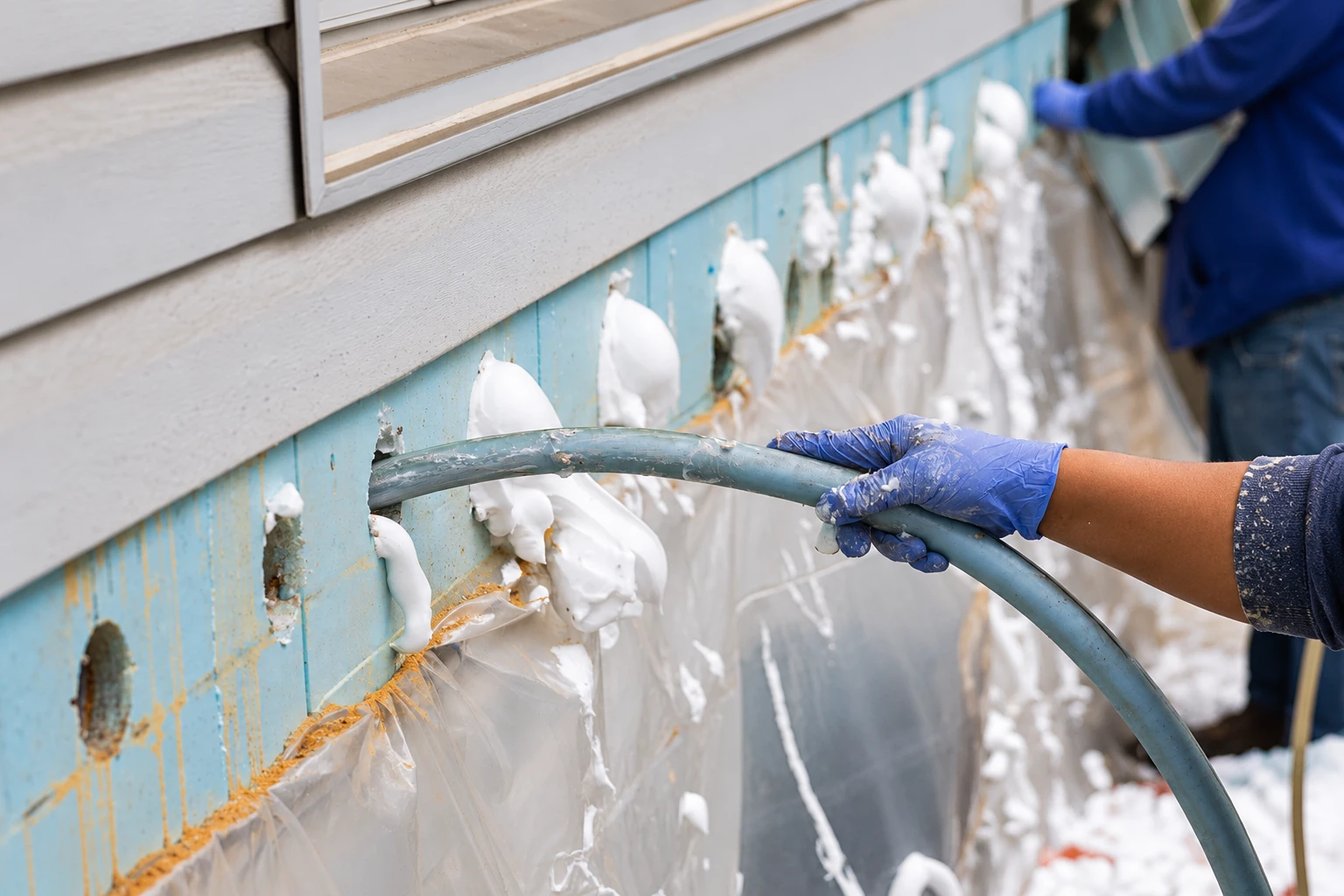
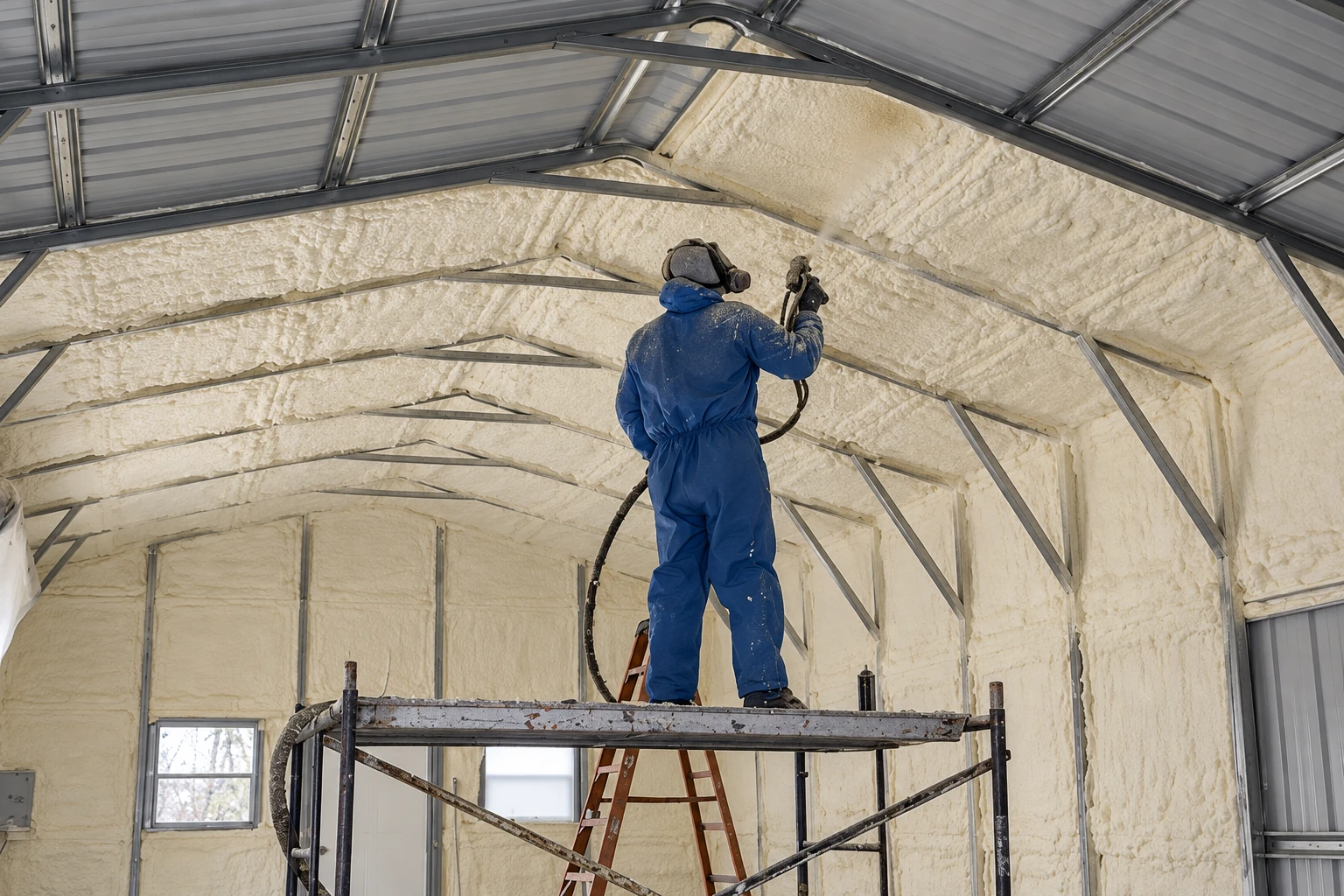
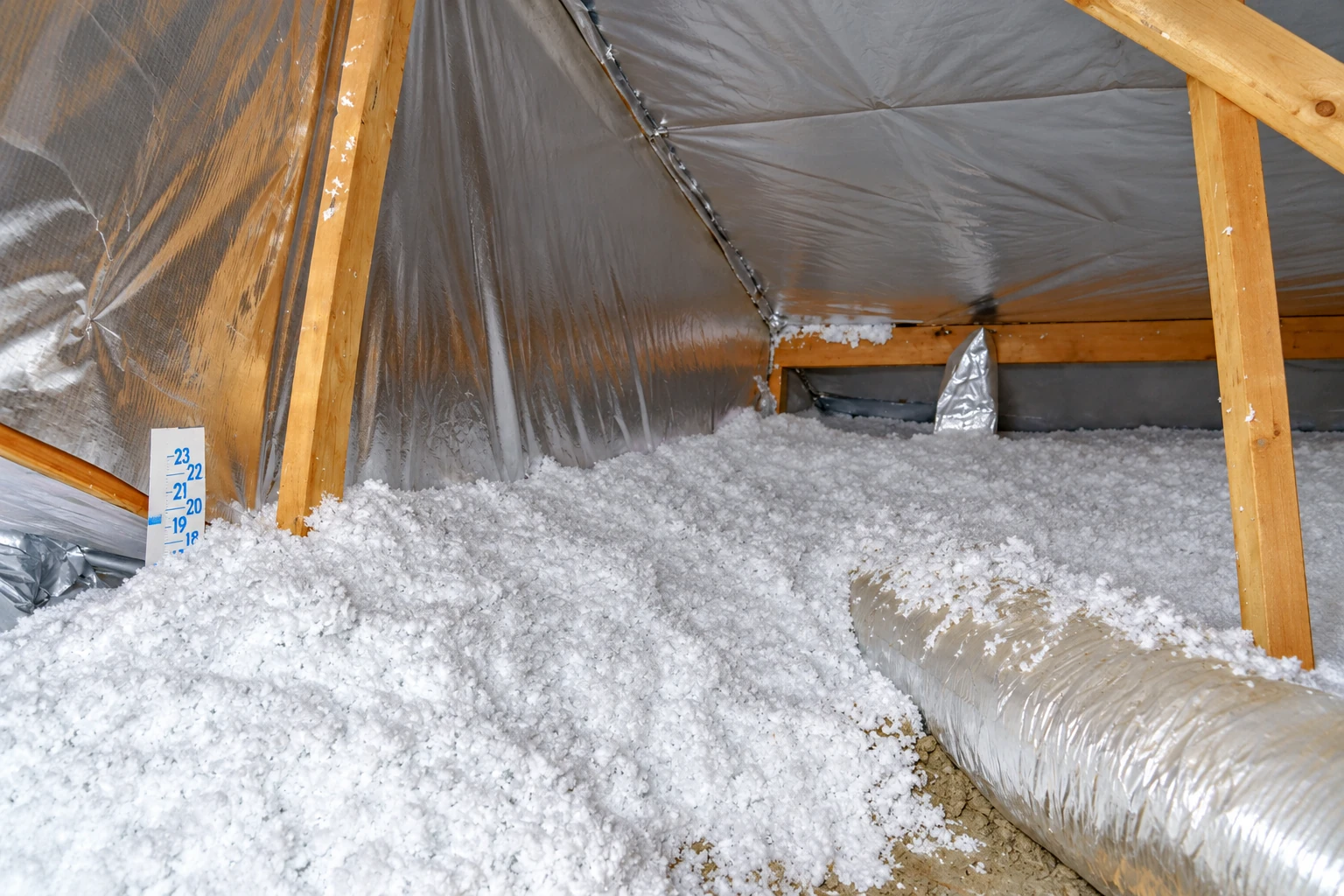
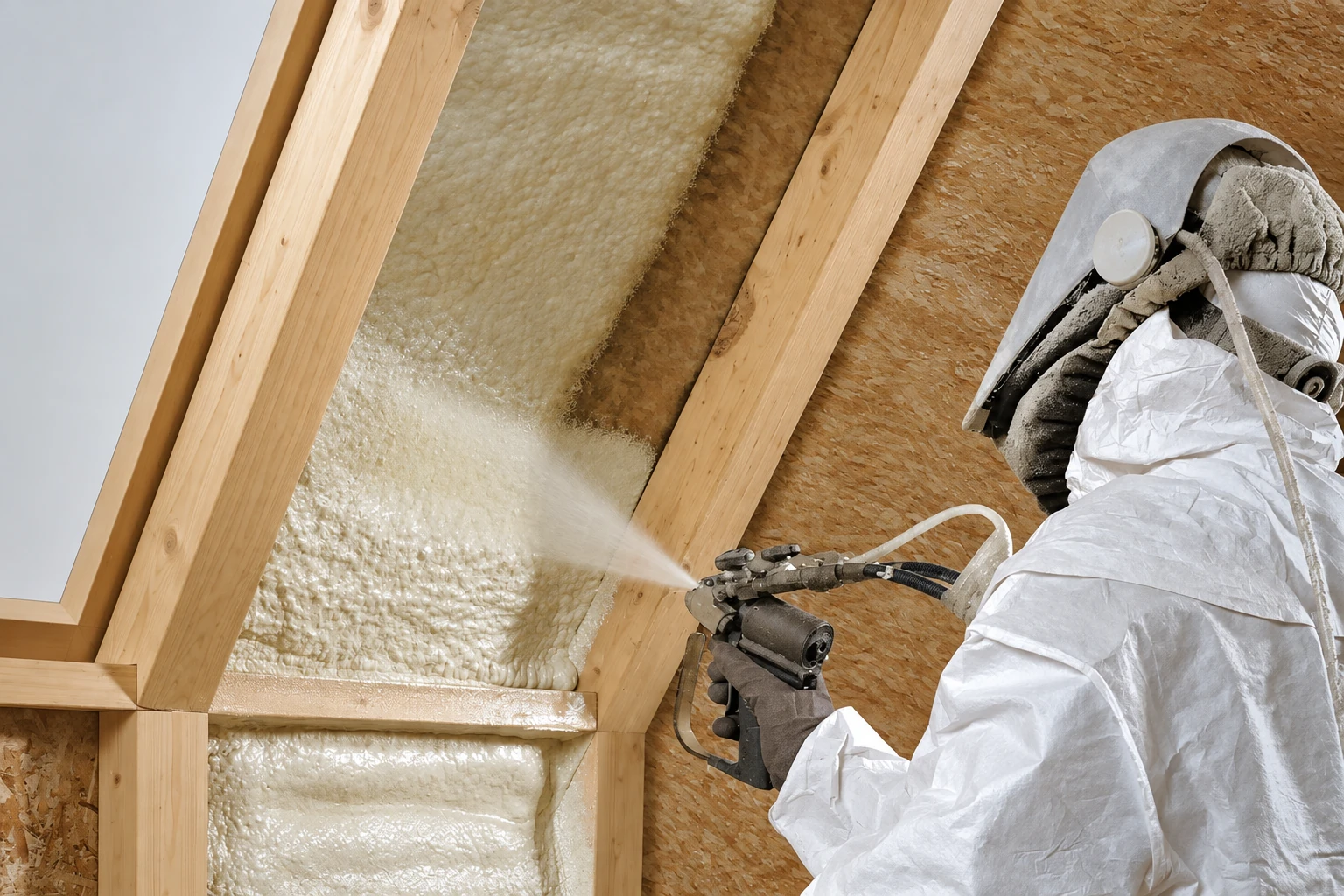
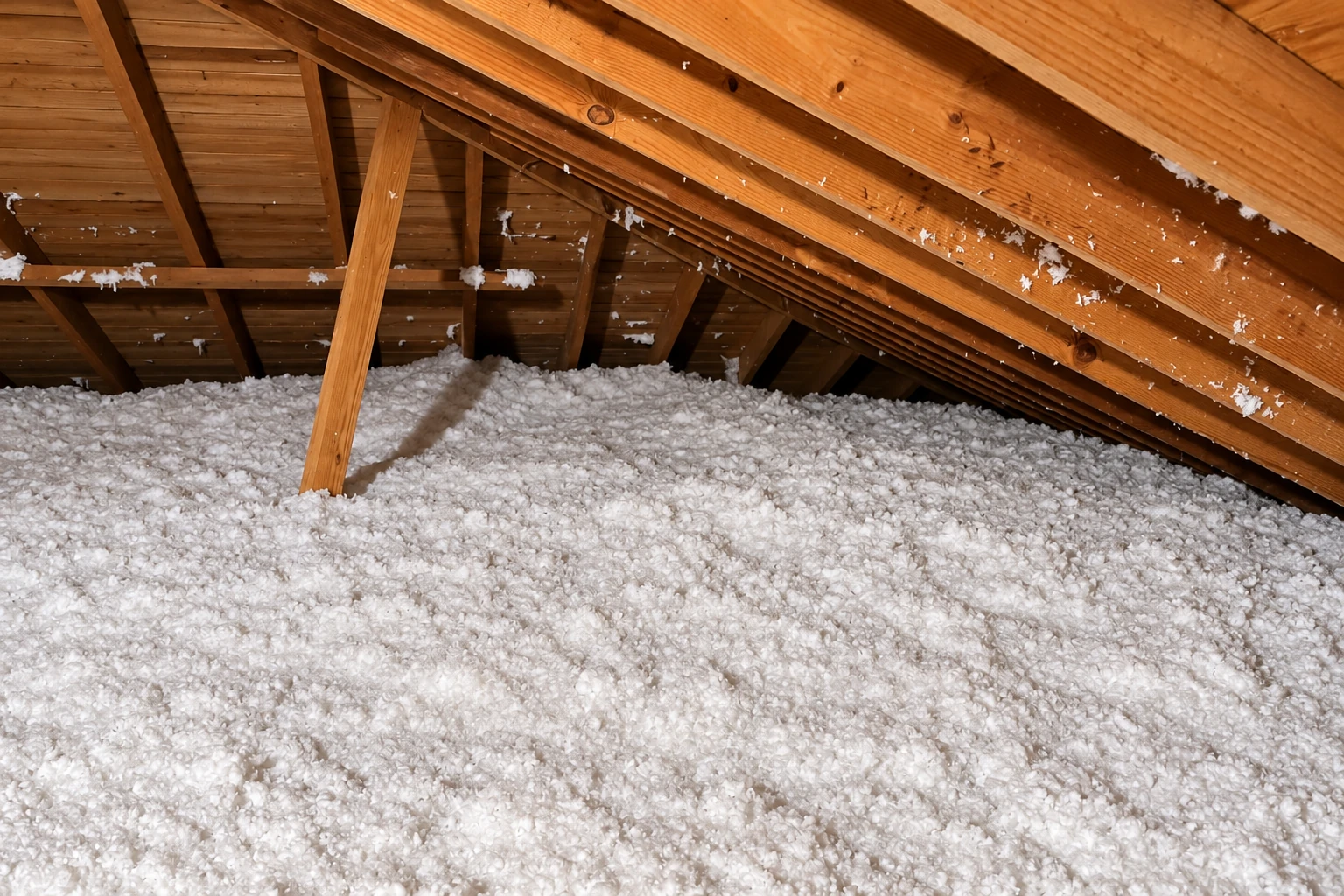
In most attics, sealing the gaps and topping up the loose fill beats anything fancier. Air sealing, which means closing the gaps around can lights, pipes and the attic hatch, comes first, because insulation laid over a draft just keeps fighting it. Then blown-in fill, loose insulation blown through a hose, goes in as deep at the edges as in the middle, with the eave vents kept clear so the attic can still breathe and moisture doesn't settle in the framing. Spray foam insulation costs more and seals air while it insulates, and I'd usually only recommend it when your ductwork lives up there.